Written and checked by the USA Sod team · Published November 26, 2026

Have the ground fully ready before the truck comes: old grass and weeds gone, soil tested, loosened and graded, raked smooth and firm, and moist but not muddy. Sod should be laid and watered the day it arrives, so all the prep has to be finished first.
| When | Step | Why it matters | Source |
|---|---|---|---|
| A month or more ahead | Test the soil | Results show how much lime and fertilizer to work in, and they take time to come back | Purdue Extension; NC State Extension |
| Before any digging | Kill and remove old grass, weeds and debris | Dead plant material keeps new roots from touching the soil | Illinois Extension; UF/IFAS |
| Rough grade | Fill dips, level humps, slope the yard away from the house | Low spots hold water | Illinois Extension; Purdue Extension |
| After rough grading | Amend the soil 6 to 8 inches deep | Fixes what the soil test found | Illinois Extension |
| Final grade | Rake smooth, firm it, leave it about 0.5 inch below walks | Footprints and bumps stay under the sod | NC State Extension; Illinois Extension; Purdue Extension |
| Before you order | Measure the lawn and add about 10 percent | Covers waste from cuts at corners and edges | Purdue Extension; USA Sod |
| Laying day | Make sure the soil is moist, not muddy | Sod should go down on moist soil | NC State Extension; Purdue Extension |
| Delivery day | Be home, lay and water the sod that same day | Sod heats up while it sits stacked on the pallet | USA Sod; UF/IFAS |
Work back from the delivery date
Finish the prep first, then schedule the sod, and make sure water is on hand for when the last piece is down. USA Sod cuts sod to order, so plan on a lead time of typically at least 3 to 4 days. Delivery runs Monday to Saturday in most areas. See how fast can you get sod delivered.
1. Test the soil
Send off a soil test at least a month before you lay sod. That leaves time for the results to come back and for you to mix in what they call for. The report tells you how much lime and fertilizer your soil needs. A soil test shows the pH and nutrient levels such as phosphorus and potassium, and big changes are easier to make before the lawn goes in.
2. Clear out old grass, weeds and debris
Perennial weeds have to be under control before you sod. You can dig them out by hand, till the ground over and over, or use a systemic nonselective herbicide, following the label. Then rake out as much of the dead grass as you can, so the new roots sit right on the soil. Pull out wood, rock, concrete, pipe and other building scraps too. See how to remove old grass before laying sod.
3. Rough grade and fix drainage
Rough grading includes taking out rocks and debris and getting rid of dips and high spots. Fill any low area that holds water. Slope the yard away from buildings with a drop of 1 to 2 feet per 100 feet of run, so water drains off the surface. If you want an irrigation system, put it in before planting; see whether you need sprinklers before laying sod.
4. Amend the soil
Mix in the amendments your soil test calls for, working them 6 to 8 inches deep. Work the soil only when it is neither too dry nor too wet, because tilling at the wrong moisture ruins soil structure. Heavy clay calls for organic matter such as compost, not sand. If you bring in topsoil, be careful: it can carry hard-to-control weeds and weed seed. See whether you need topsoil before laying sod.
5. Final grade: smooth, firm and a little low
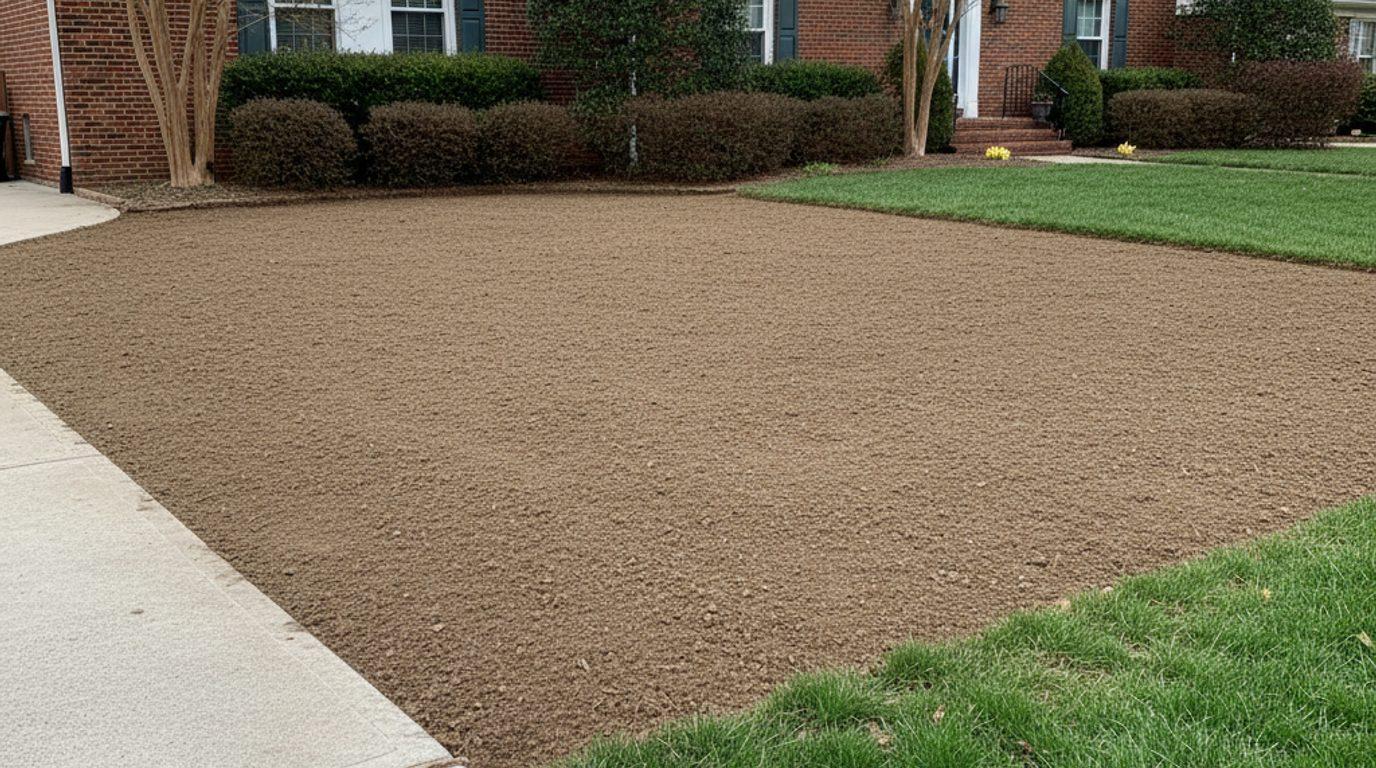
Rake the whole area to a smooth, level final grade. Raking by hand works best for evening out hills and hollows. Break the soil down to pieces no bigger than a marble (pea gravel size is better). Let rain or sprinklers settle the soil, then roll it lightly to firm it. If heavy tilling left the surface fluffy, a roller or a weighted drag will firm it back up.
The bed is firm enough when you walk on it and leave no footprints. Any footprint left under the sod turns into a small dip in the lawn. Leave the soil about 0.5 inch below driveways and walks, to leave room for the layer of soil attached to the sod.
6. Measure and order
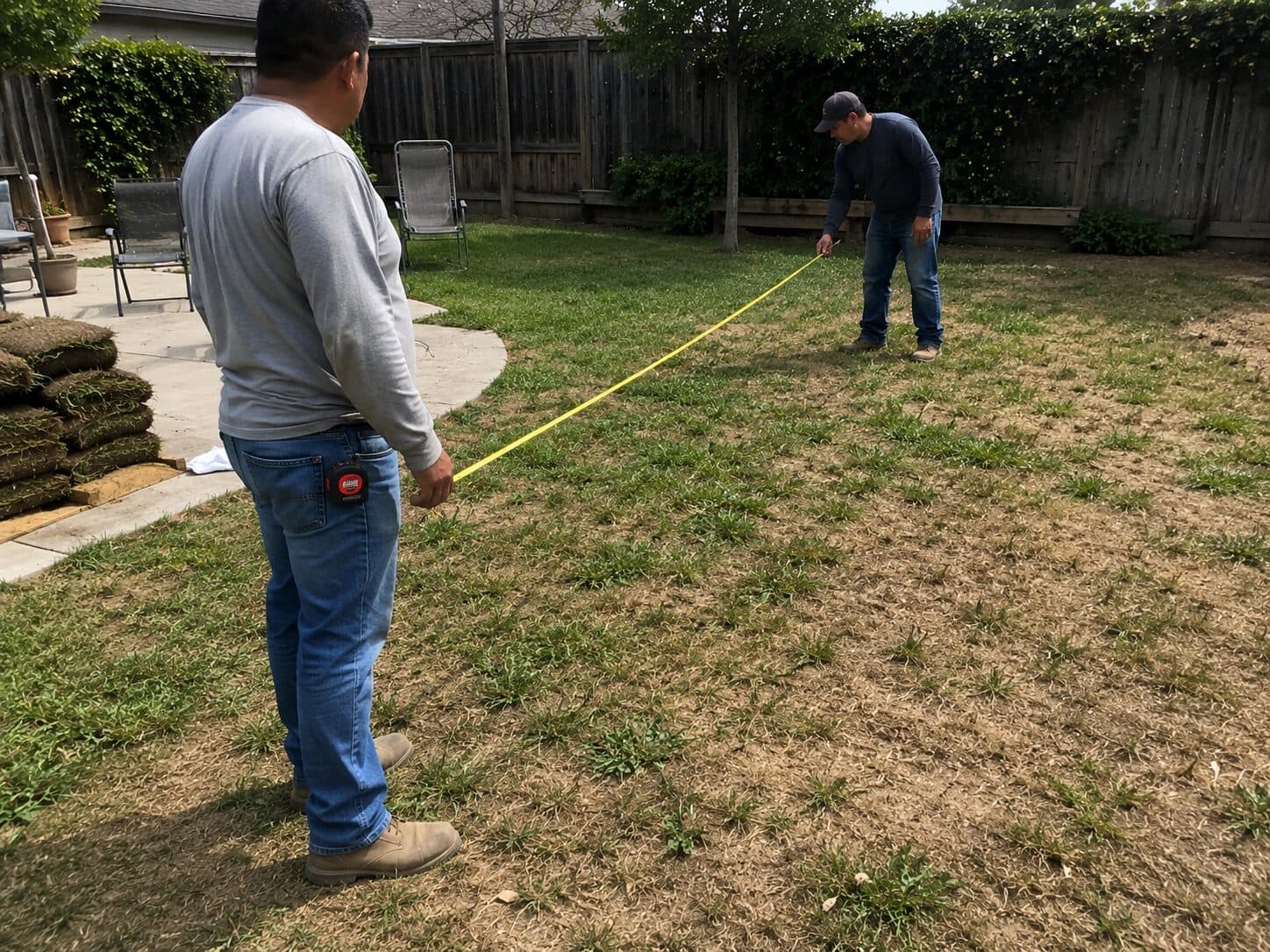
Break the lawn into simple shapes (squares, rectangles, circles), work out the area of each, and add them up. Order about 10 percent more than that to cover mistakes and the waste from cutting around corners and edges. USA Sod pallets cover 400 to 600 square feet depending on your market, and sod is sold in full pallets only, because it is cut to order. See how many pallets of sod you need and how many square feet a pallet of sod covers.
7. Have the soil moist for laying day
The soil should be moist, but not soaking wet, when the sod goes down. Time it so the yard is not muddy on install day.
8. Plan the pallets and lay it the same day
USA Sod delivers the pallets to your driveway, and the truck unloads them with its own equipment. Someone should be there to receive the order. See where the truck puts the sod.
Start laying at the spot farthest from the pallets, so you are not walking over new sod. While you work, keep the waiting sod in the shade so it does not heat up. Lay and water all of it the day it arrives: in summer, sod on a pallet lasts less than 48 hours. Inspect it when it arrives and report any problem right away. For the laying itself, see how to install sod and the new sod watering schedule.
Does the grass type change the prep?
A few grass traits are worth knowing while you plan. USA Sod commonly offers these, and what you can get depends on your market, so check your ZIP for today's list.
- Centipede (commonly offered in Charlotte) likes acidic soil and low phosphorus and may not need lime or phosphorus, so the soil test matters even more.
- Bermuda (TifTuf, Tifway 419) spreads by runners above and below ground and can creep into flower beds.
- Zoysia (Zeon, Palisade, Emerald) spreads the same two ways but stays out of beds more easily.
- St. Augustine (Palmetto, ProVista, Floratam) does not hold up to heavy traffic, compaction or cold.
- Tall fescue (Tall Fescue, ElitePlus Fescue blend) is a cool-season grass, and fall is its best planting season.
Common questions
How far ahead should I start preparing my yard for sod?
Start with the soil test at least a month ahead. Sod is cut to order, so place the order typically at least 3 to 4 days before you want it.
Should I water the soil before sod is delivered?
Yes. The soil should be moist but not muddy when the sod goes down.
Where will the truck put the pallets?
On your driveway. The truck unloads them with its own equipment, and someone should be there to receive them.
How much does sod delivery cost?
Delivery is a flat $200 for any order with sod. See what sod delivery costs.
What if the weather is bad on delivery day?
The farm may move the delivery by up to one week. If it cannot deliver within that week, you may cancel.
Ready when your yard is
Once the ground is prepped, get an instant quote for your ZIP.
Sources