No. An in-ground irrigation system is not required before laying sod. What new sod needs is consistent water for the first two weeks, and a hose with an oscillating or rotary sprinkler on an inexpensive hose-end timer does that fine for a normal residential yard. A system is worth it for large yards, hot dry climates, sandy soil, thirstier varieties in dry regions, or if you travel. The one thing you cannot do is skip watering or water by hand when you remember.
People put off ordering sod for a whole season because they think they need irrigation first. Most do not.
The short answer
No, you do not need a sprinkler system to lay sod. You need a reliable way to get water on every square foot of it, two or three times a day, for about two weeks.
What new sod actually needs
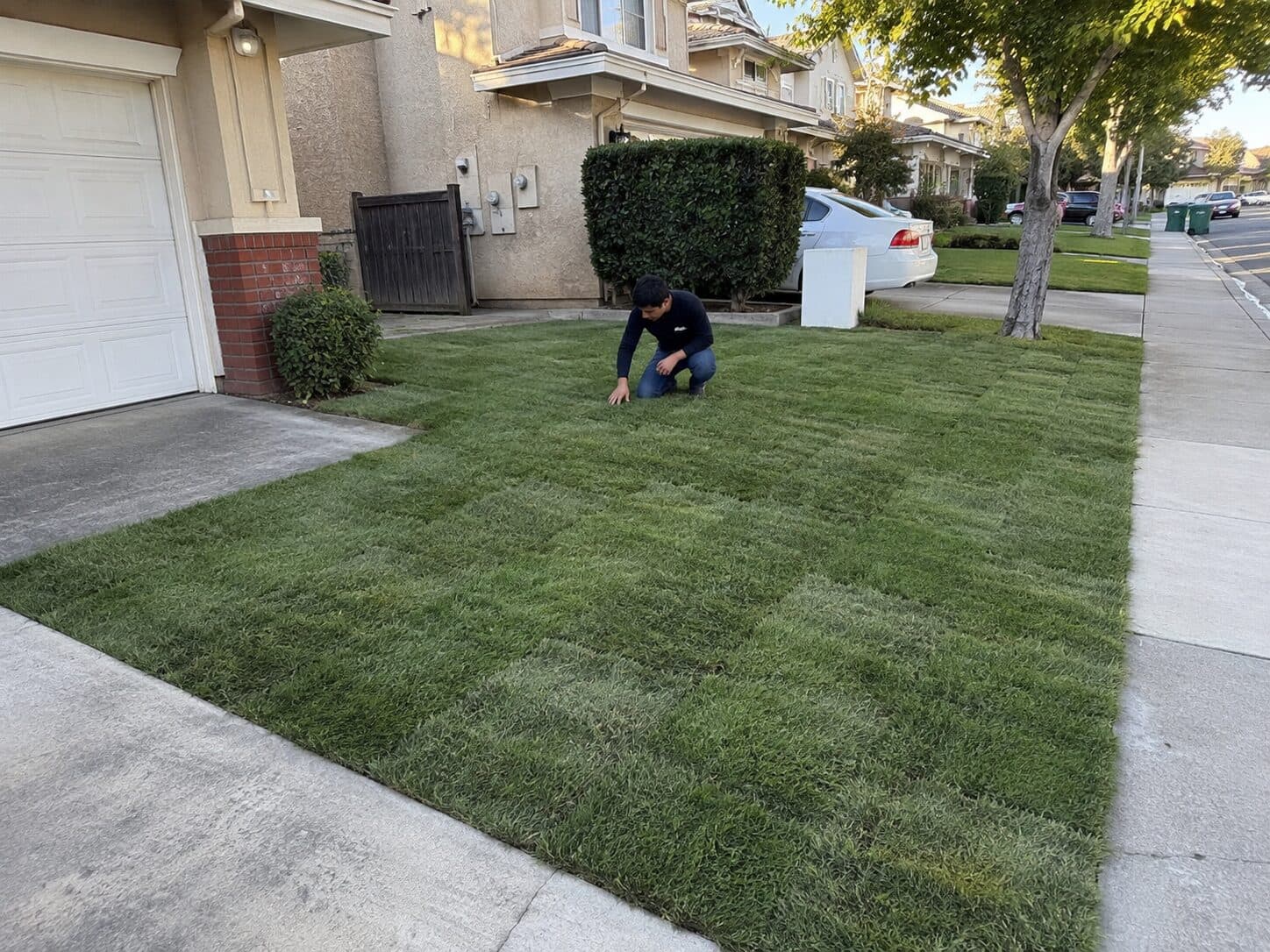
Sod arrives with its roots cut short. For the first two weeks it is not connected to the ground yet, so it lives on the moisture in its own inch of dirt and the top inch of soil under it. That is why the rules are strict:
- Water within 30 minutes of the sod going down. On a hot sunny day feeder roots can dry out in that time.
- For the first 14 days, keep the sod and the top inch of soil moist at all times. Two to three short waterings a day, the first one early in the morning.
- Never let it dry out. Edges and corners dry first, so check them twice a day in heat.
None of that requires pipes in the ground. It requires water showing up on schedule. The day-by-day plan is in How Often Should You Water New Sod?.
The hose setup that works
This is the setup that keeps sod alive in a normal yard.
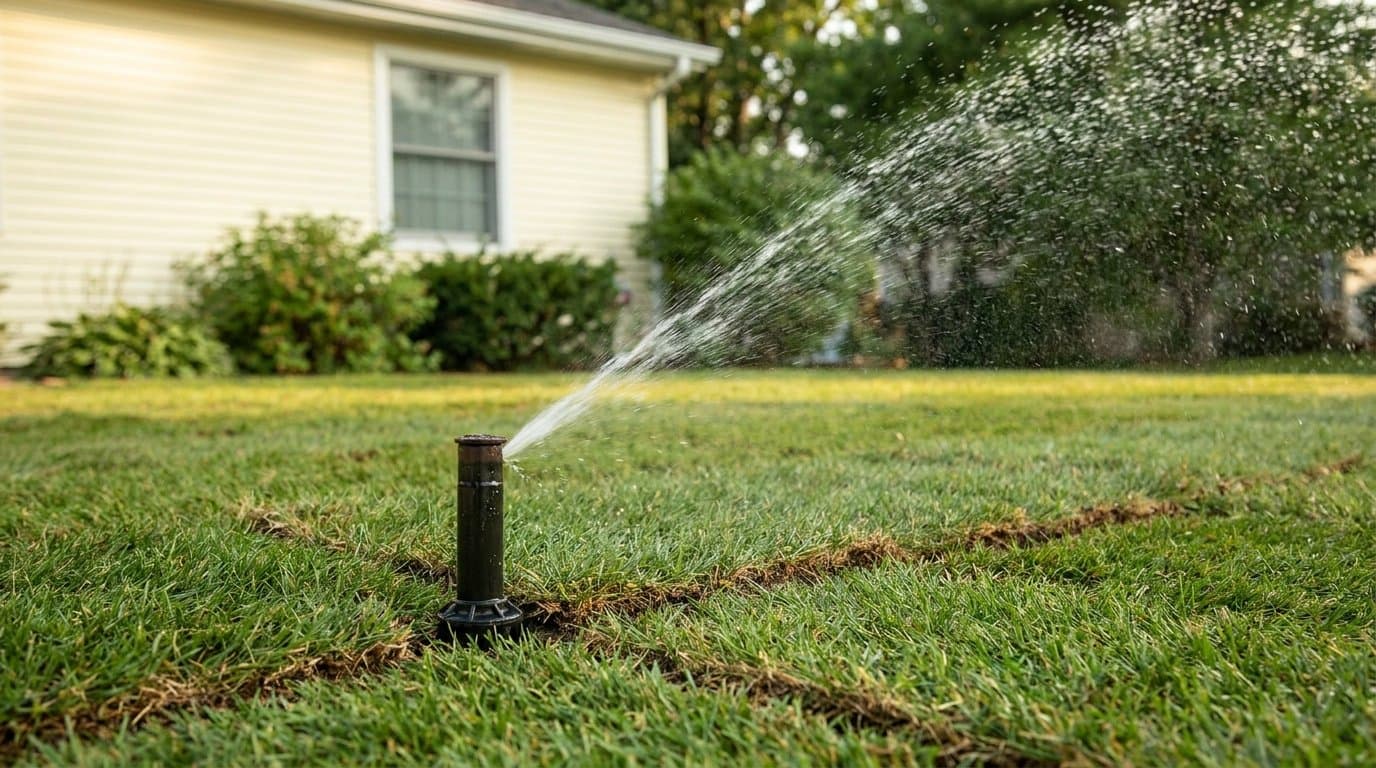
- One or two sprinklers per zone. An oscillating sprinkler covers a rectangle; a rotary sprinkler covers a circle. Pick the shape that matches the area.
- A hose-end timer. A battery timer between the spigot and the hose costs very little and removes the "when I remember" problem. Set it for two or three short runs a day.
- Overlap the spray. The edge of a sprinkler's throw gets far less water than the middle, and the edges of your lawn are the parts that dry fastest.
- Move between zones. If one sprinkler cannot cover the yard, split it into zones and rotate. The goal is the whole area moist twice a day.
Run the whole setup before delivery day. Sod is cut fresh against your order and must go down the day it arrives, so that is not the day to discover a spigot that barely trickles.
When in-ground irrigation is worth it
Some yards are a struggle with a hose, and a system pays for itself there.
Large yards. If you cannot cover the lawn without dragging hoses around three times a day, a system is the practical option.
Hot, dry climates and sandy soil. Sand does not hold water. In a dry summer that ground can need water most days, long after the sod has rooted.
Thirstier varieties in dry regions. St. Augustine in dry sandy soil needs regular irrigation to look good. If you have no system and dry summers, Bermuda is the safer bet.
You travel. Sod does not care that you were away. If you are gone often, automate it.
If you are installing a system anyway
Put it in before the sod, not after. Trenching through a new lawn means cutting the grass you just paid for.
Once it is in:
- Test every head for coverage before delivery day. Walk the yard while it runs and look for dry arcs.
- Cut the sod to fit around the heads on install day. That is part of why we suggest adding 5 to 10 percent to your order for cuts.
If you already have a system
Do not assume it works. Audit it before delivery.
Tuna-can test. Set a few empty cans across the zone, run it for 15 minutes, and compare what each caught. Uneven results mean a clogged or blocked head, and that spot is where your new sod browns first.
Morning-only cycles. Evening watering leaves grass wet overnight, which is how fungus starts.
Program the new-sod schedule. Most controllers are set for an established lawn. Change it to:
- Days 1 to 14: two to three short cycles a day.
- Days 15 to 30: every other day, longer.
- After day 30: one or two deep sessions a week.
Then change it back after the first month. A system left on the new-sod schedule all summer ends in mushrooms and standing water.
The corner with no water at all
Some yards have a far corner with no spigot within hose reach. Do not lay sod there and hope.
Either plan a hose run to reach it, with a longer hose and a splitter at the spigot, or leave that area out of the order and sod it later once water is sorted. Both beat paying for sod that dies in a week.
The bottom line
A sprinkler system is a convenience, not a requirement. Sod needs consistent water for two weeks, and a hose, a sprinkler and a cheap timer deliver that for most yards. Install a system if the yard is large, the climate is dry, or you cannot be there to water. Whatever you use, test it before the truck arrives.
For the install-day sequence see How to Install Sod. Then Check your ZIP code for pricing in your area, size the order with the Online Sod Calculator, or call 1-866-886-2763 and we will talk through your watering setup before you order.