Written and checked by the USA Sod team · Published November 16, 2026
Late spring to early summer is the best time to lay sod in San Antonio, because warm-season grass roots quickly while it is actively growing. St. Augustine can also go down in summer if it gets enough water, and winter can work with dormant sod if you accept a slower, riskier start. The Bermuda, Zoysia and St. Augustine sod USA Sod commonly offers in San Antonio are all warm-season grasses. See the best grass for San Antonio lawns to pick one, and check your ZIP code for today's list.
Late spring to early summer
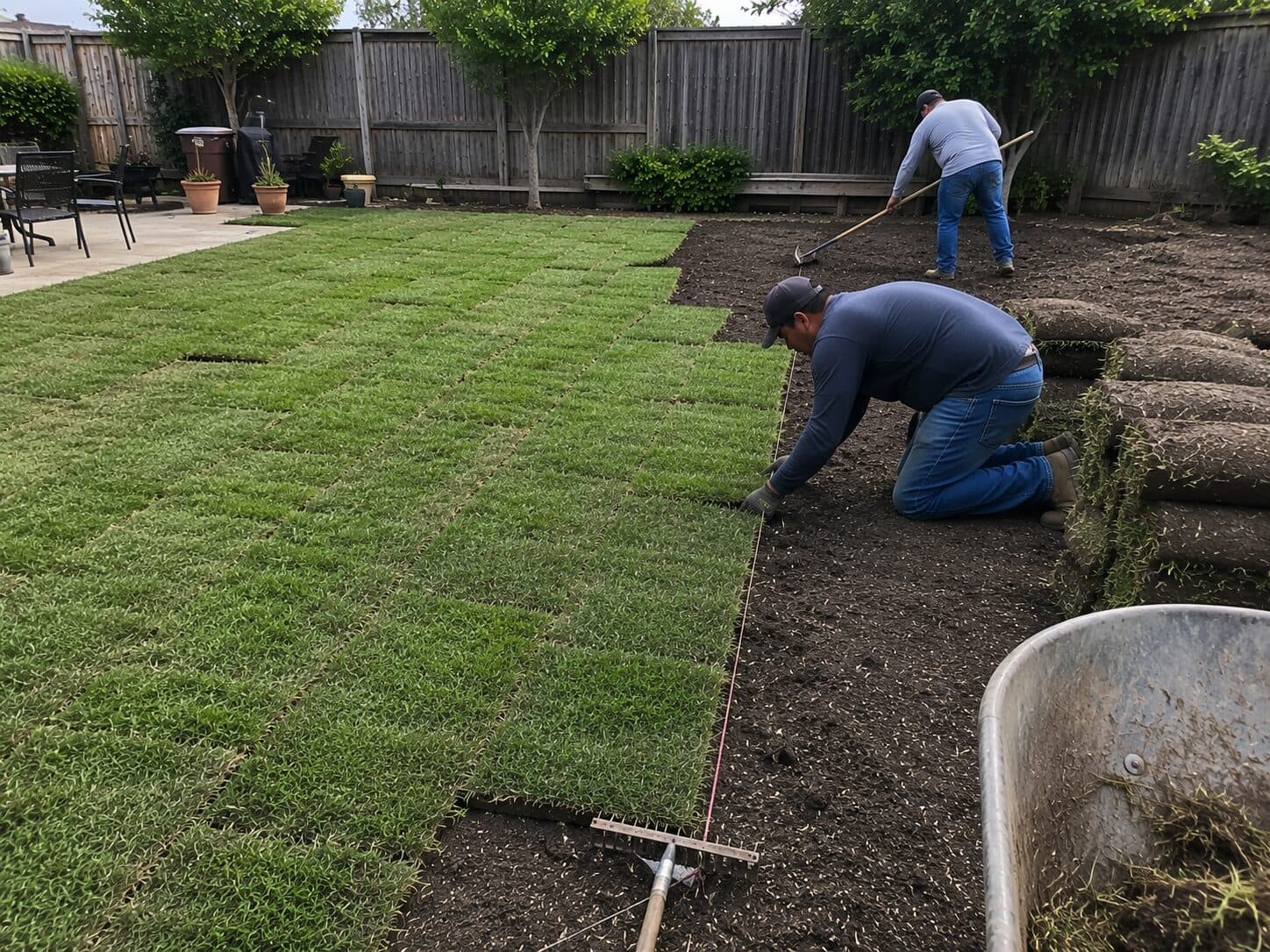
New warm-season sod takes hold best during the months it is actively growing. For St. Augustine around Austin, plan on late spring or early summer: daily highs from 80 to 100 degrees and a spell with some rain, which there usually means May. St. Augustine sod may take hold in just 30 days.
Summer: St. Augustine, with enough water
Because St. Augustine thrives in heat, its sod can go down later into the hot months, as long as it gets enough water. Avoid laying it during stretches above 100 degrees if you can. Fresh sod has almost no roots yet, so a few days in the 90s without rain can dry it out fast. For roughly the first 10 days, do not let it dry out. See our sod watering schedule.
Early fall: leave time before the first freeze
You can still lay St. Augustine in early fall if at least 90 days remain before any chance of frost. Some put the cutoff as close as 40 days ahead of the average first freeze. Ask your local extension office for your freeze date. Warm-season grasses slow down once soil drops under 70 degrees and stop near 60. Sod that is not growing does not put down new roots. If you are close to the cutoff, read how late is too late to lay sod first.
Winter: dormant sod, with care
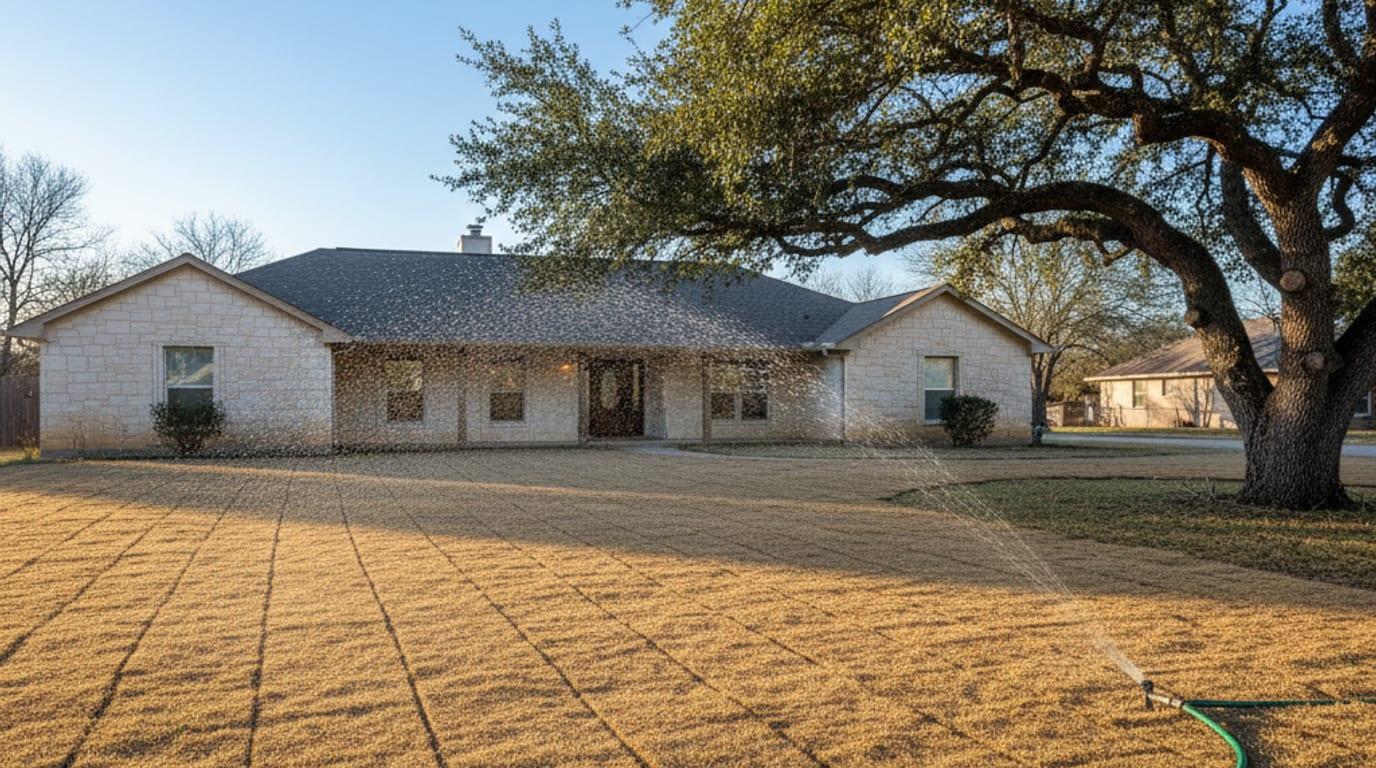
Warm-season sod can be laid any month the soil is not frozen. Laying it while dormant can succeed, but it carries more risk than spring sodding. Winter sod from USA Sod may arrive dormant, and dormant is not dead: here is why sod arrives brown in winter.
What to do differently with dormant sod:
- Keep watering. Dormant grass still needs water, and new sod is the exception to turning sprinklers down for winter. Water when the soil gets dry, but do not keep it soggy.
- Watch hard freezes. When temperatures fall to freezing or below, the roots of new sod can freeze.
- Late-sodded zoysia has shown more winter injury than Bermuda.
- Skip fertilizer until spring. Dormant sod is not growing and has few roots, so most winter fertilizer is wasted. Wait until it has fully greened up.
- Do not overseed it with ryegrass. The ryegrass competes with the new sod and makes its spring start harder.
- Keep traffic off. Sod laid dormant can need weeks or months before it can handle foot traffic.
Any season: lay it the day it arrives
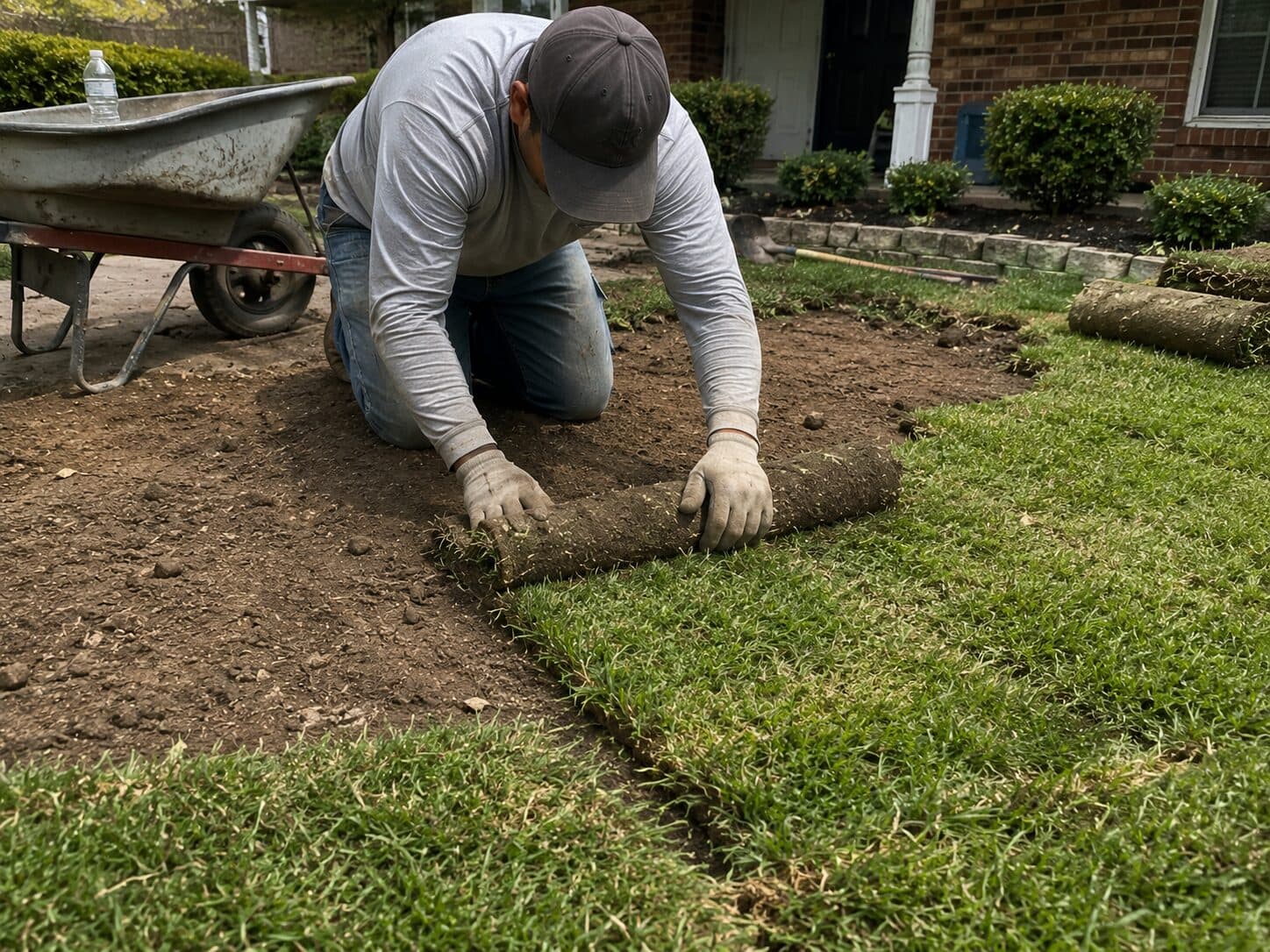
Lay and water your sod the day it is delivered. Our sod is cut to order, so lead time is typically at least 3 to 4 days; delivery timing has the details. Delivery is a flat $200 on any order that includes sod, and installation is available in San Antonio if you would rather not lay it yourself. See today's San Antonio prices, then start on the order form.
Spring carries less risk than dormant sodding, but cut-to-order sod needs a few days' notice in any season. Start your San Antonio order or call 1-866-886-2763.
Sources
- Texas A&M AgriLife Extension: St. Augustinegrass Home Lawn Maintenance Calendar
- Texas A&M AgriLife Extension: Bermudagrass Home Lawn Management Calendar
- Ask Extension (Travis County Master Gardeners): When is a good time to replace grass?
- UF/IFAS Blogs: Summer sodding traditional for some, but lawn success more a matter of preparation
- LSU AgCenter: Winter can be risky for laying dormant sod
- UGA Extension: Installing Turfgrass in the Winter
- UT Extension: Turfgrass Establishment, When to Plant Turfgrasses
- University of Arkansas Extension: Establishing a Lawn from Sod