Written and checked by the USA Sod team · Published November 26, 2026
Dog urine kills grass because it drops concentrated nitrogen and salts on one small spot, a bit like spilling a handful of fertilizer, and its lactic acid is the main thing that kills the grass. To fix a spot, flush fresh urine with plenty of water, rake out the dead grass, and fill the hole with sod of the same variety as your lawn. The best long-term fix is training your dog to use a mulched corner.
Bermuda and zoysia hold up to urine better than cool-season grasses, and they spread back into small spots. Tall fescue will not fill in on its own.
| What you see | Why it happens | Fix | Source |
|---|---|---|---|
| Taller, dark green tufts of grass | Urine nitrogen feeds the grass like a fertilizer spill | Water the lawn during dry spells; spots stand out less in a well-fed lawn | NC State Extension; Penn State Extension |
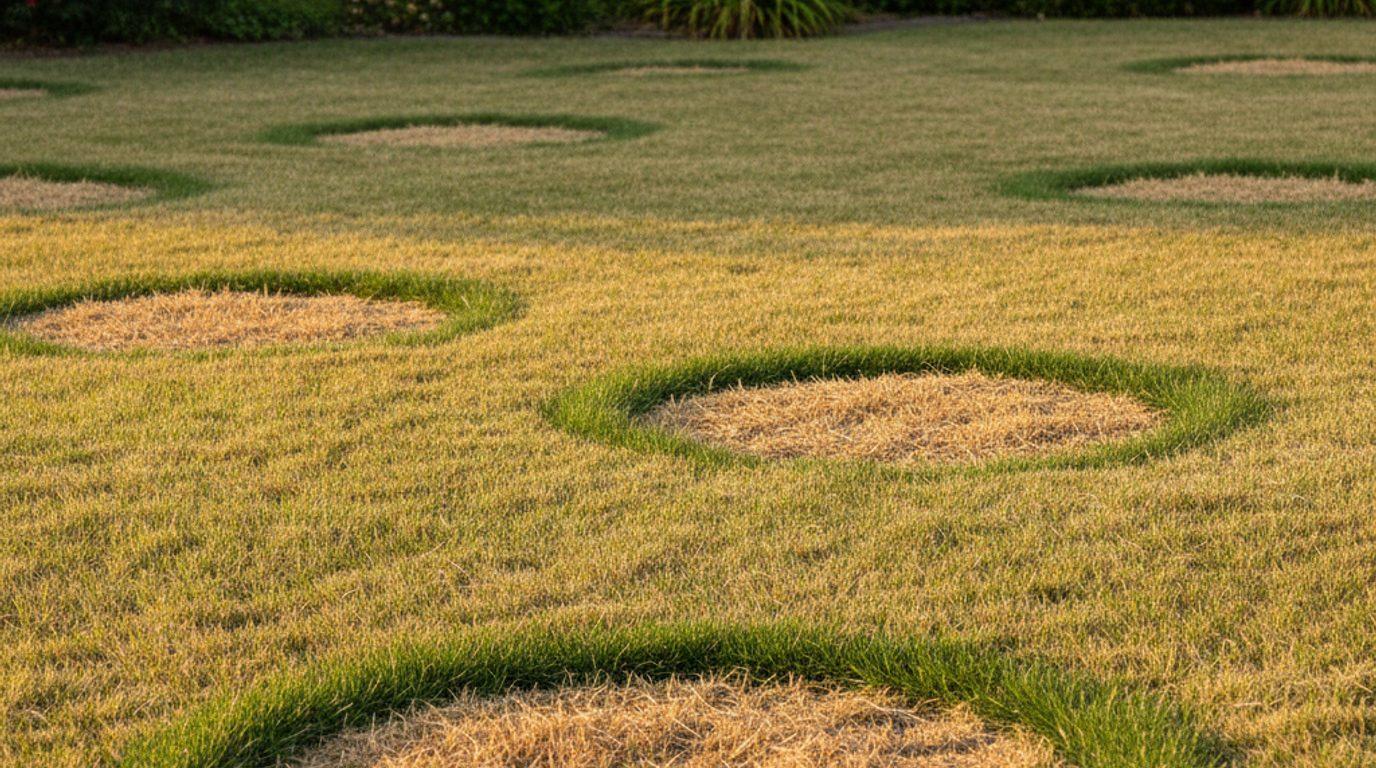
| Straw-colored dead spot, 3 to 6 inches across, with a dark green edge | Salts and lactic acid kill the center; nitrogen darkens the grass | Rake out the dead grass, then sod or plug the spot | NC State Extension; Penn State Extension |
| Spots that get worse in hot, dry weather | Damage is worse on dry soil, in heat, and when grass is not growing | Soak the spot with water within a few hours | NC State Extension; UC ANR |
| Crabgrass and other weeds in old spots | Dead spots open up the lawn to weeds | Sod or plug the spot | NC State Extension |
Why dog pee kills grass
Dog urine carries concentrated nitrogen and excess salts, and both get blamed for the spots. Landing on one small patch, it acts like a fertilizer burn. The nitrogen also turns the grass a darker green.
The salts do some harm, but lactic acid has been found to be the main cause of the dead grass. It damages the cell membranes of the grass, which upsets how its cells work.
A bad spot is a straw-colored dead circle about 3 to 6 inches wide with a dark green edge. A mild one is just a tuft of taller, darker green grass. Lawn diseases can look similar, but disease spots usually lack that green edge, and urine spots have no fungal threads (mycelium). If you are not sure which you have, see brown patch in lawn.
What makes the spots worse
- Dry soil and heat. Damage is worse on dry soil, in hot weather, and when the grass is not actively growing.
- Big dogs. Larger dogs pass more urine, so their spots tend to be worse.
- Female dogs and puppies. They squat, which puts all the urine in one spot.
- A hungry lawn. Dark green spots show more in a lawn short on nitrogen, and a well-fed lawn takes less harm.
How to fix dog urine spots
- Flush fresh spots. Soak the spot with a hose or watering can within a few hours, and right away is best. This limits dead grass, but the dark green tint stays.
- Clear the dead patch. Rake out the dead grass and loosen the soil.
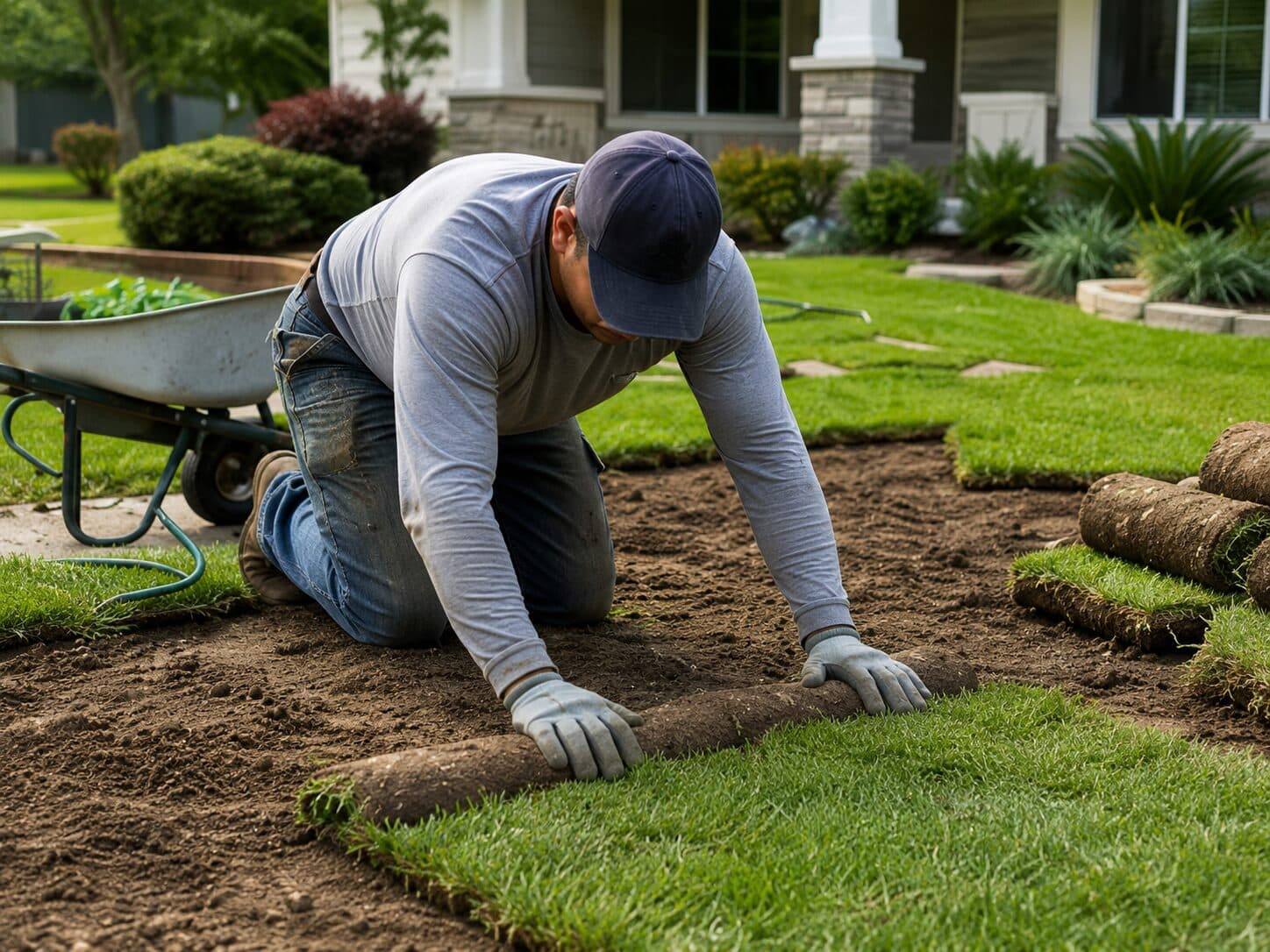
- Sod or plug it. Any lawn grass can be sodded or plugged. Cut plugs from the edge of your own lawn, or buy sod of the same variety you already have.
- Fit it tight. Set the patch as snug against the old grass as you can, without stretching it. See gaps between sod pieces.
- Press it down and keep it moist. Tamp it so the roots touch the soil and the patch does not dry out while it roots. See how often to water new sod.
Two things to skip. Store repair kits often hold a fast-sprouting cool-season grass such as ryegrass, which often will not match a warm-season lawn. And baking soda or gypsum on the spot is not recommended.
Which grasses recover best
Bermuda and zoysia stand up to lactic acid better than cool-season grasses such as tall fescue and Kentucky bluegrass. Both spread, so they fill dead spots in over time. While they are actively growing, spots can heal in just a couple of weeks.
Among cool-season grasses, tall fescue copes best. Creeping red fescue comes next, perennial ryegrass after it, and Kentucky bluegrass last. But tall fescue grows in clumps and will not fill a dead spot by itself, so you have to seed, plug or sod it.
USA Sod commonly offers TifTuf, Tifway 419 and Celebration Bermuda and Emerald, Palisade and Zeon zoysia in Houston, and tall fescue in markets such as Charlotte. Which grasses you can get depends on your market, so check your ZIP for today's list. To choose a grass for a dog yard, see best grass for dogs and the Bermuda grass guide.
How to stop new spots
Train your dog to go on a mulched area or at the edge of the lawn, where the damage is gone or hard to see. It takes time and patience at first, but nothing else stops urine spots as well. Flushing every spot with water works too, but training is the easier fix.
Common questions
Why is there a dark green ring around the dead spot?
Urine nitrogen feeds the grass like fertilizer and turns it darker green. Bad spots show a dead center with that dark green edge.
Does watering after my dog pees help?
Yes, if you soak the spot within a few hours. It limits dead grass, but it does not stop the dark green tint.
Will dog spots grow back on their own?
In Bermuda and zoysia lawns, yes, over time. Tall fescue will not fill in, so seed, plug or sod the spot.
Do supplements that change my dog's urine work?
Supplements sold to cut urine damage have no scientific backing. Talk to your vet before you give your dog one.
Patch it with matching sod
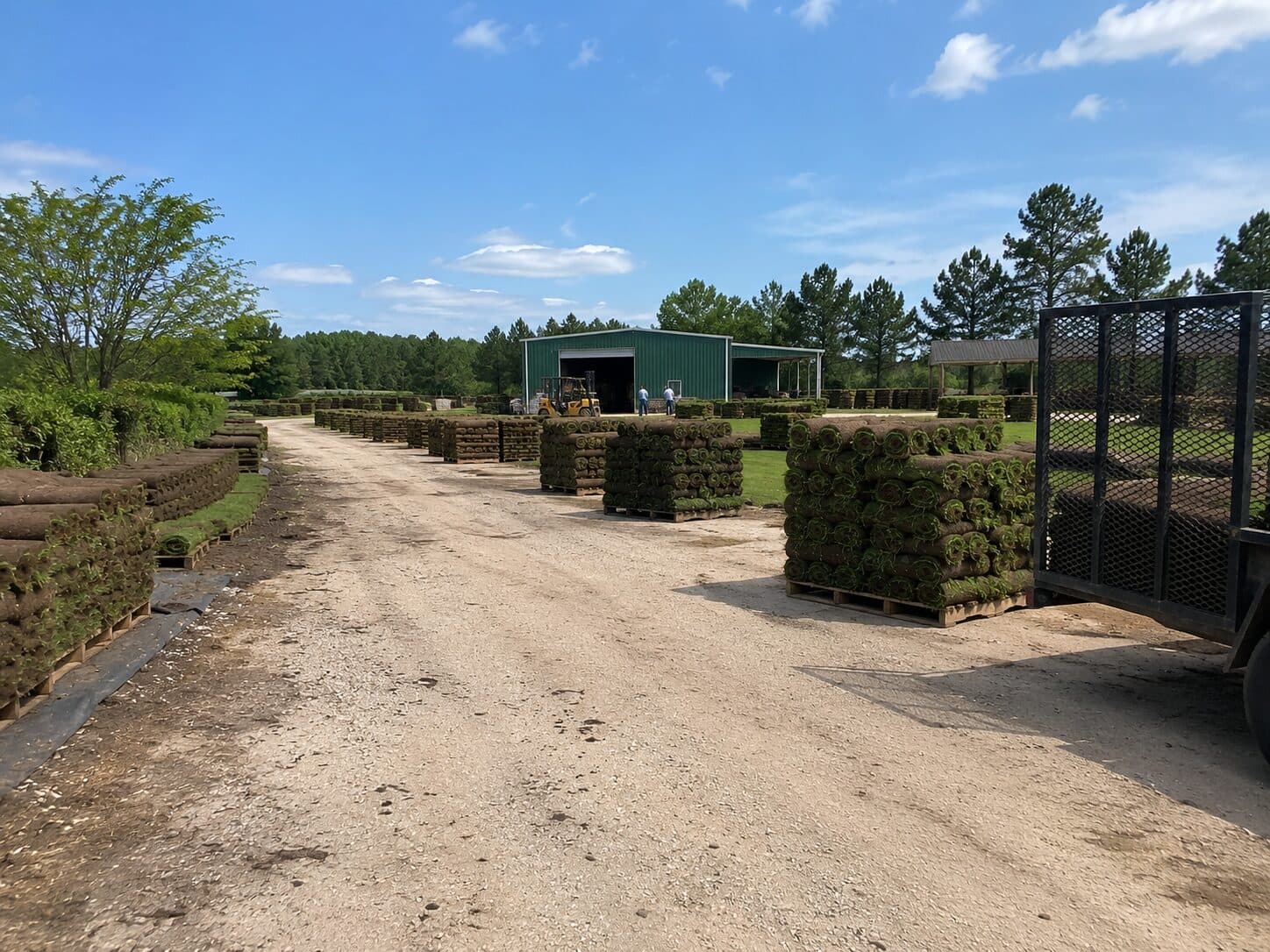
We cut sod to order by the full pallet, so there are no partial pallets. See can you buy half a pallet of sod.
Fixing a lot of spots or a worn dog run? Get an instant quote for sod at your ZIP.
Sources