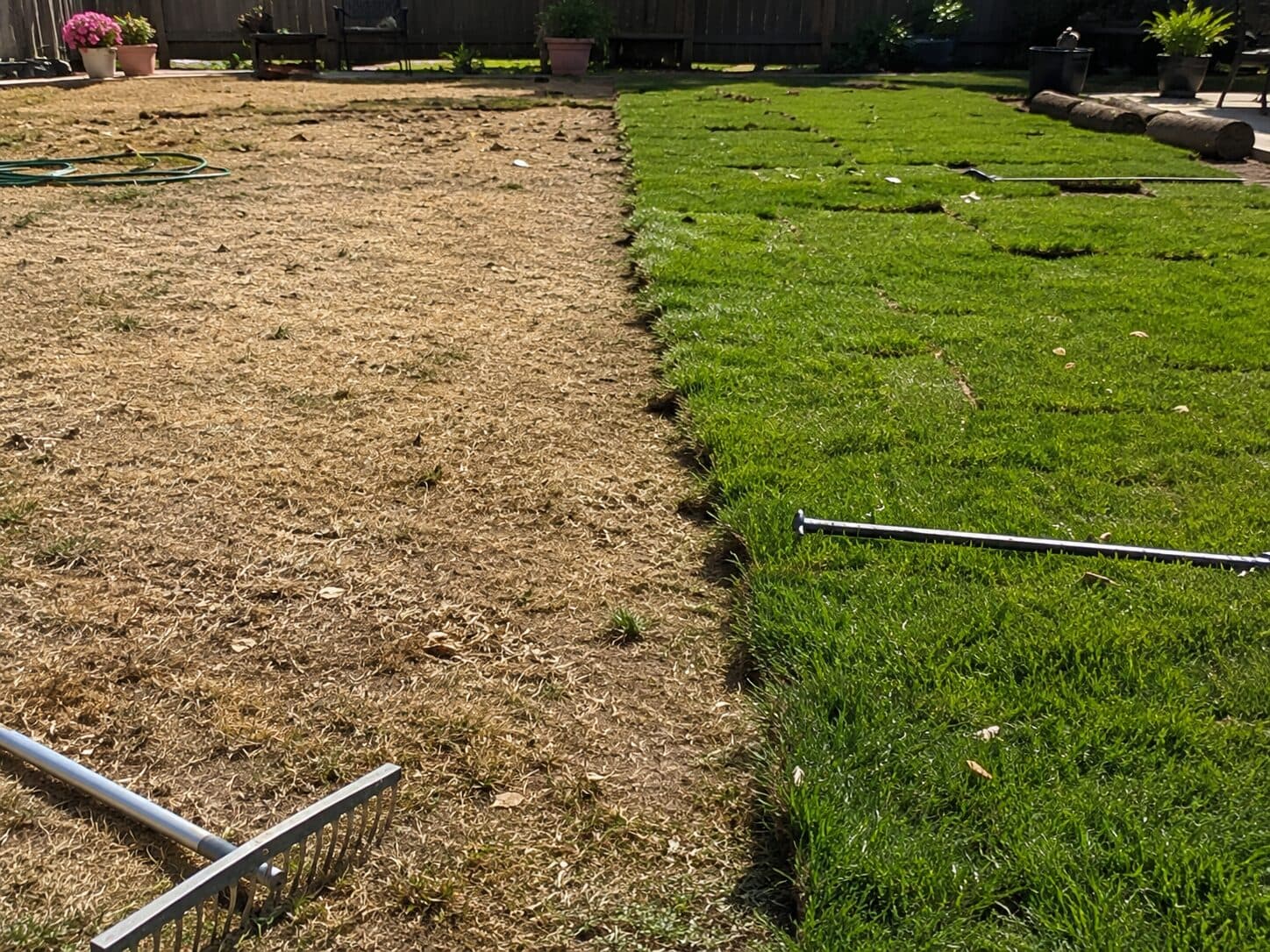
Yellowing centipede grass often comes back to soil pH, iron, or nitrogen. The University of Georgia's College of Agricultural and Environmental Sciences says centipede prefers an acid soil pH of 5.0 to 6.0; above pH 6.0, iron becomes less available in the soil, and iron deficiency turns the grass chlorotic, or yellow. A high phosphorus level can do the same thing. Too much nitrogen fertilizer is a separate, documented cause of what UGA calls centipedegrass decline.
Centipede grass has different needs than most other lawn grasses, and the usual lawn-care instinct (feed it more) often makes yellowing worse, not better.
Soil pH and iron
UGA says centipede grass prefers "an acid soil pH of 5.0 to 6.0," and that "as the pH goes above 6.0, Iron (Fe) availability decreases." UGA adds that "iron deficiency causes the grass to become chlorotic or yellow," and that "a high phosphorous level also renders iron unavailable in the soil, resulting in chlorotic symptoms." A soil test is how to check pH and phosphorus levels before adding anything.
Nitrogen fertilizer
Centipede needs much less nitrogen than many other lawn grasses. UGA says centipede "will become dark green with excessive nitrogen applications, which can be a primary cause of centipedegrass decline," and that "unwarranted nitrogen can lead to thatch build-up and disease problems." UGA's guidance is that one pound of nitrogen per 1,000 square feet a year is ample for most established centipede lawns. If you have been fertilizing on a schedule built for another grass type, that is worth reconsidering.
Other contributors to decline
UGA also lists thatch buildup, nematodes, compacted soil, and poor watering as factors that damage centipede's root system, along with fungal issues like fairy ring and large/brown patch, as part of the broader centipedegrass decline pattern. Thatch build-up specifically, per UGA, "prevents water from penetrating into the soil, harbors insects and disease organisms, and leads to a shallow-rooted centipedegrass."
What to do next
Start with a soil test before adding any product. For routine mowing, watering, and fertilizing that avoids over-feeding in the first place, see our centipede grass care guide. If you are deciding between centipede and another variety for a new lawn, centipede vs. Bermuda covers the tradeoffs, and brown patch in lawn walks through a different, disease-driven cause of lawn discoloration worth ruling out.
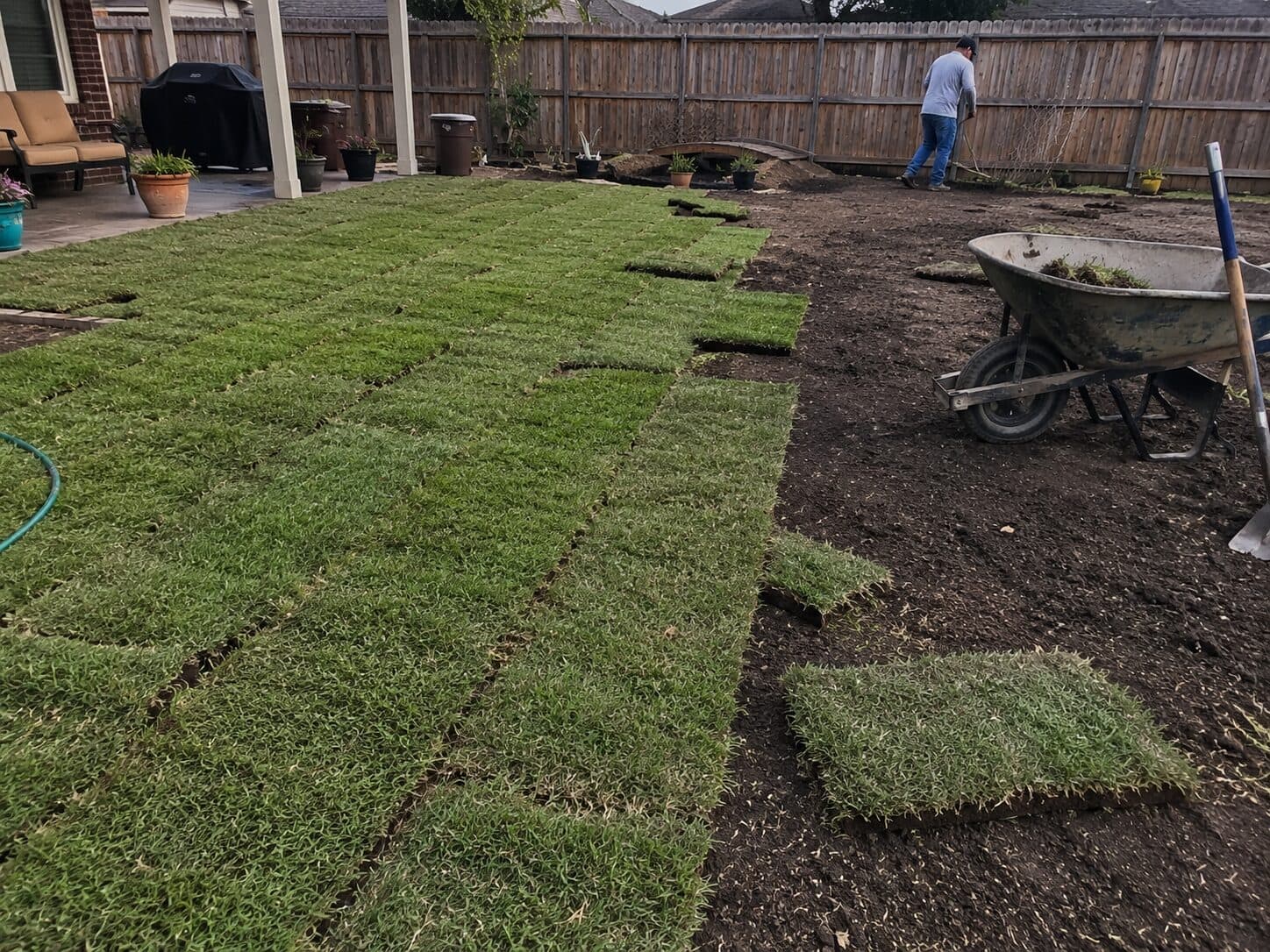
If the yellowing turns out to be more than you want to manage, design your lawn and see what a fresh start looks like for your market.