Written and checked by the USA Sod team · Published November 9, 2026
Water an established St. Augustine lawn in winter only when it shows drought stress, not on a set schedule. In Texas, except the south, sandy soils and new lawns, turn the sprinklers off once the grass stops growing for the winter; in Florida, water less often than in summer but give the same amount each time. Then wait for the stress signs to come back before the next watering.
Brown in winter is dormancy
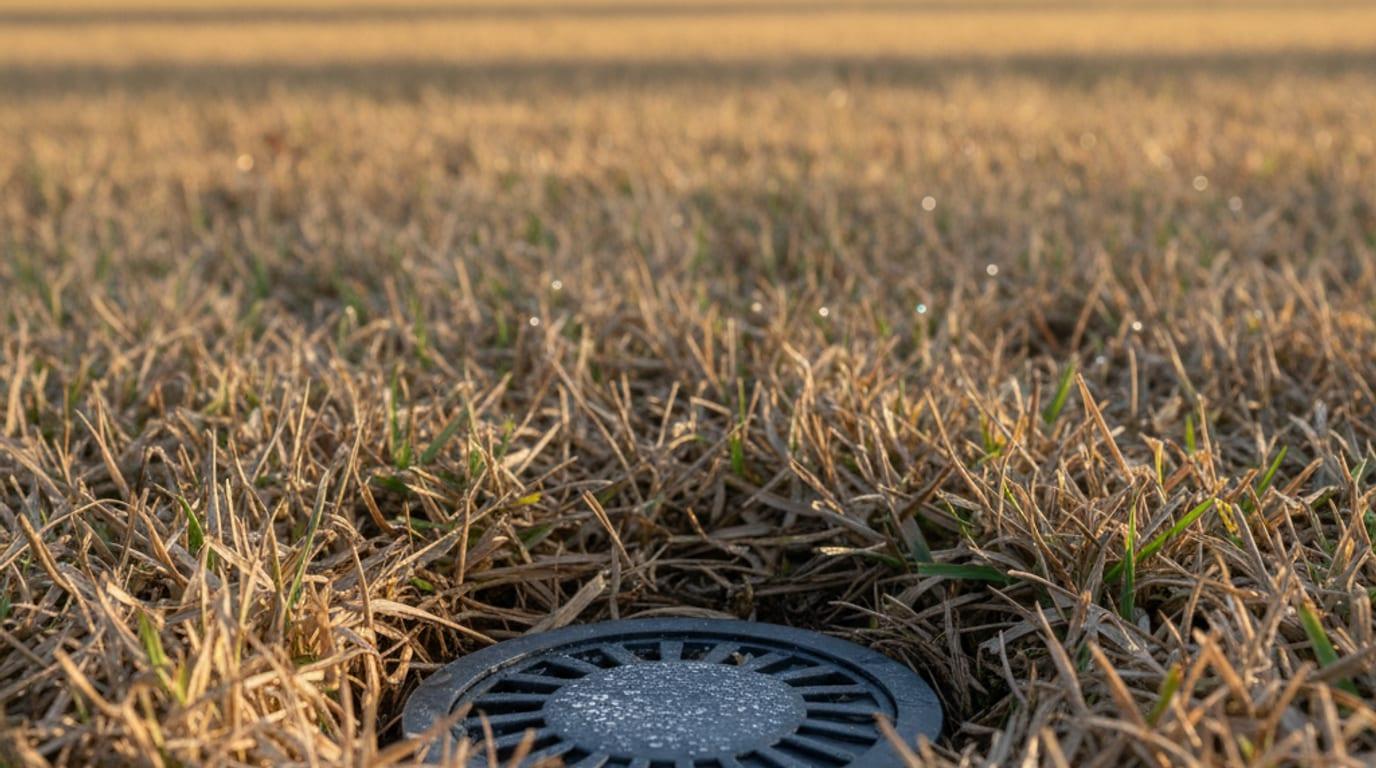
St. Augustine fades to brown or tan in the cold months in some areas and stays that way until spring. That color is winter dormancy, and the lawn needs less water in fall and winter than in summer.
What changes is how often you water, not how much. Keep the amount per watering the same all year and stretch the time between waterings.
Watch the grass, not the calendar
For an established lawn, the best plan is to water when the grass asks for it. Look for these signs:
- Blades fold in half or wilt.
- The lawn turns blue-gray instead of green.
- Footprints stay pressed into the grass after you walk across it.
When you see them, water. Then hold off until the signs return.
How often that happens depends on your grass, rain, soil, shade and where you live, and most of all on the season.
How often, by region
- Texas: shut the water off for the winter months once the grass is no longer growing. Exceptions include the southern parts of the state, where warm-season grass does not go fully dormant, sandy soils that drain fast, and lawns planted recently. Even a dormant lawn may need water now and then during warm, dry, windy weather.
- Florida: St. Augustine goes dormant in parts of the state. Water as needed, and expect to water less often than in the warm months. You may find you can water less often in winter than your local rules allow. After a rain of ½ inch to ¾ inch or more, you can usually water less often.
How much to give each time
- Florida guidance: ½ inch to ¾ inch per watering. That wets about the upper 8 inches of soil, where most of the roots are.
- Texas guidance: wet the soil 6 inches deep.
Skip light, frequent sprinkling: it is inefficient and favors shallow roots. Water in the early morning. Give shady parts of the yard less water than sunny ones. Sandy soil dries out faster than soil with more clay, so a sandy lawn usually needs water more often.
Reset the timer for winter
A sprinkler timer left on its summer schedule usually overwaters. Too much water raises the risk of disease and thatch, leaves the roots shorter, and helps weeds like dollarweed and sedges. Check the watering rules in your city or water district too.
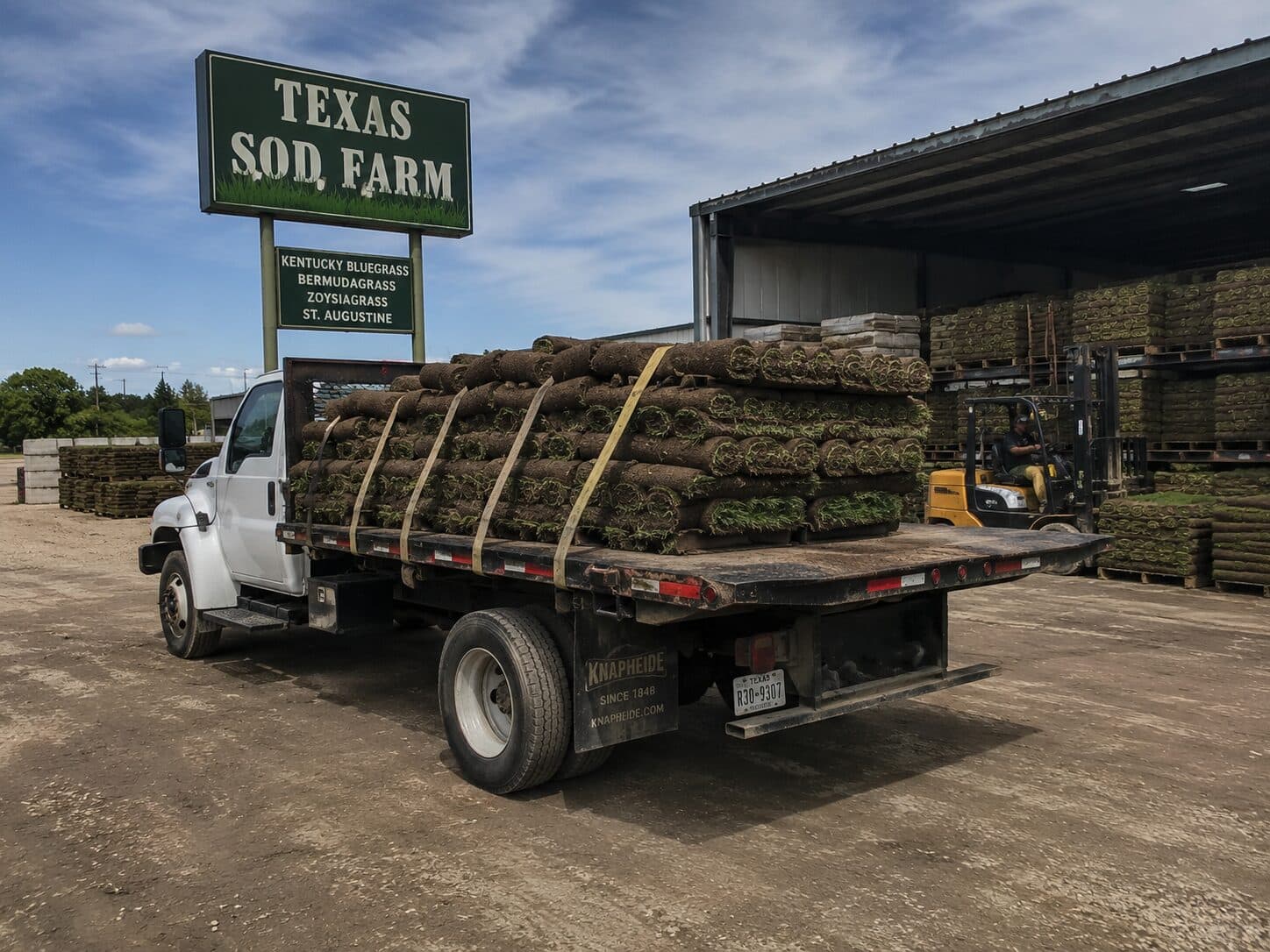
In Texas, sod laid this winter is one of the exceptions: keep watering new sod in cool weather instead of shutting the system off.
Lawn came through winter too thin to save? Price new sod in the instant quote.
Sources