
Zoysia Grass Guide: Luxury Lawn Care & Maintenance Tips
Author: Travis Chulick
Date: Feb 5th 2026
Zoysia grass is a warm-season turf known for its dense, carpet-like growth that naturally chokes out weeds. It offers a superior barefoot feel and requires less mowing than Bermuda grass, making it a luxury choice for homeowners in the South and Transition Zone who prioritize quality and low maintenance over a fast-growing lawn.
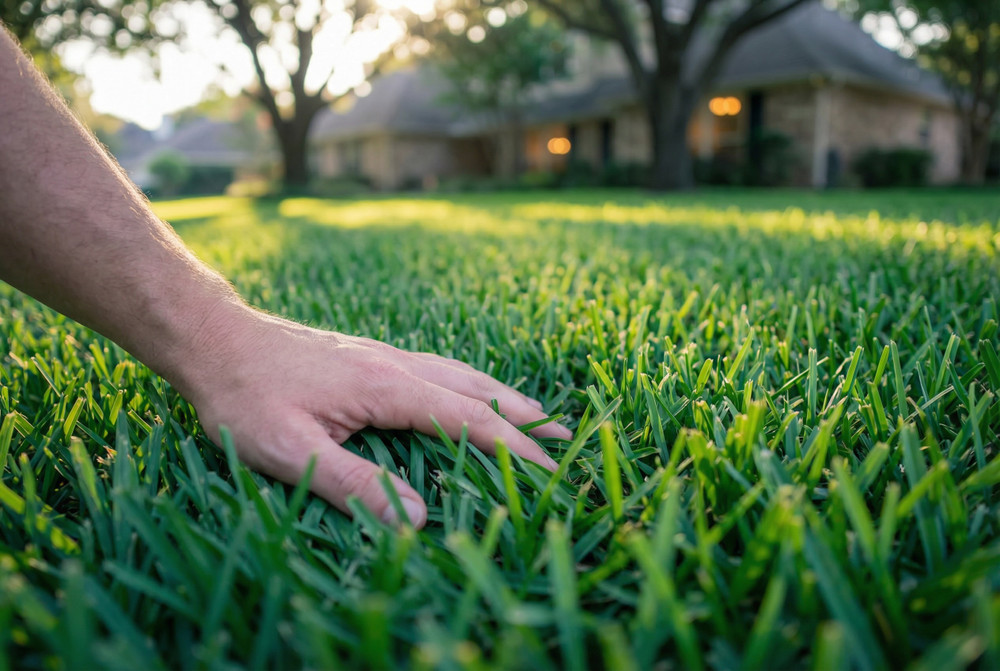
It’s the feeling that sells you. You weren’t planning to spend this much on grass. But then you took your shoes off. The first time you walk on a mature Zoysia lawn, you get it. It’s not just grass. It’s a carpet. Dense, plush, and soft, yet surprisingly firm. You’ve probably heard it called the “barefoot grass,” and for once, the marketing lives up to the reality.
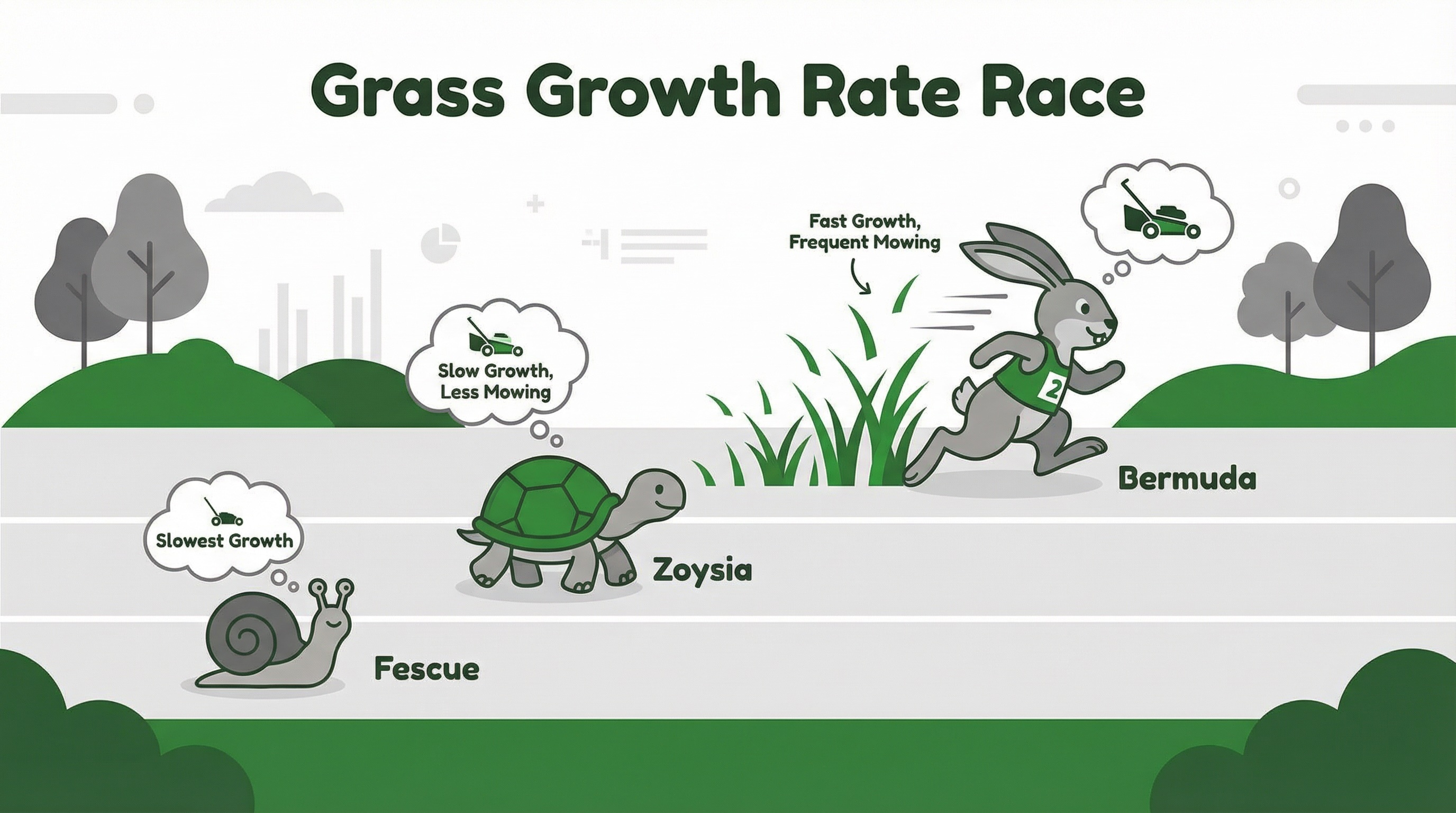
But Zoysia is more than just a feeling. It’s a strategic choice for homeowners who value quality over speed, and who are willing to invest in a lawn that looks better with less work. It’s the tortoise in a world of hares, and in the long run, the tortoise often wins.
This guide is your honest, comprehensive look at Zoysia grass. We’ll cover the good, the bad, and the expensive. We’ll break down the different types, explain the specific maintenance required, and help you decide whether this luxury lawn is the right investment for your home.
Table of Contents
- Zoysia Grass At a Glance
- What is Zoysia Grass?
- Pros and Cons of Zoysia Grass
- Types of Zoysia Grass: Fine vs. Coarse
- USA Sod Exclusive: Regional Performance Insights
- How to Plant Zoysia Grass
- Complete Zoysia Care Calendar
- Mowing Zoysia Grass
- Watering and Fertilizing
- Common Problems: Pests & Diseases
- Zoysia vs. Other Grasses
- Cost of Zoysia Sod
- Key Takeaways
- Frequently Asked Questions
- References
Zoysia Grass At a Glance
| Trait | Rating / Specification |
|---|---|
| Shade Tolerance | Good (Better than Bermuda, but not as good as St. Augustine. Needs 4-5 hours of sun.) |
| Water Needs | Low-Medium (Sips water, doesn’t gulp it. Very drought tolerant once established.) |
| Mowing Frequency | Low (Its slow growth means mowing every 7-10 days, not every 3-5.) |
| Traffic Tolerance | High (Excellent wear resistance. Great for families with kids and pets.) |
| Feel & Texture | Excellent (The famous “barefoot grass.” Dense, soft, and carpet-like.) |
| Weed Resistance | Excellent (Its dense growth naturally chokes out most weeds.) |
| Cold Tolerance | Good (More cold-hardy than Bermuda or St. Augustine, making it ideal for the Transition Zone.) |
| Establishment Speed | Slow (The biggest drawback. It takes time to fill in and recover from damage.) |
| Cost | High (A premium product. Expect to pay 30-50% more than for other sod types.) |
What is Zoysia Grass?
Zoysia grass is a warm-season turfgrass, originally from Asia, that has become the go-to choice for luxury lawns across the southern and central United States [1]. It spreads through both above-ground runners (stolons) and underground stems (rhizomes), creating an incredibly dense turf that is famous for its soft, carpet-like feel and its ability to choke out weeds.
Its blades are typically fine to medium in texture, and they have a unique stiffness that makes them stand upright. This is what gives Zoysia its characteristic plushness. You can identify it by the short, upright hairs on the upper surface of the leaf blade, a feature that distinguishes it from the smooth blades of Bermuda grass [1].
The “Carpet” Effect
The real magic of Zoysia is its growth habit. It grows laterally, weaving a tight web of stolons and rhizomes across the soil surface. This creates a mat so thick that weed seeds can’t find soil to germinate. The result? A naturally weed-free lawn that requires far fewer chemical herbicides than other grasses, saving you hours of hand-pulling and hundreds of dollars per year on weed control.
This density is also what gives it that “barefoot” feel. When you step on it, you’re not just stepping on individual blades of grass; you’re stepping on a tightly woven, living carpet.
Pros and Cons of Zoysia Grass
Zoysia is a premium product with specific trade-offs. It’s not the right choice for everyone, but for the right homeowner, it’s unbeatable.
The Benefits
- Drought Tough: Once established, Zoysia’s deep root system makes it incredibly water-efficient. It can survive long periods of drought by going dormant and will green up quickly once water returns [2].
- Shade Tolerant: It performs much better in partial shade than Bermuda grass, needing only about 4-5 hours of direct sun per day. This makes it a great choice for lawns with mature trees [2].
- Less Mowing: Its slow growth is a huge selling point. You’ll be mowing every 7-10 days in the summer, compared to every 3-5 days for a fast-growing Bermuda lawn [2].
- Weed Resistant: As mentioned, its dense canopy is a natural weed barrier, saving you time and money on herbicides.
The Drawbacks
- Slow to Establish: This is the big one. Zoysia takes its time to fill in. A lawn sodded with Zoysia might take a full season to look perfect, and it’s very slow to recover from damage.
- Slow to Recover: If your dog digs a hole or a utility company trench through your yard, that spot will be bare for 3-6 months or longer. Unlike Bermuda, which would fill in a bare patch in weeks, Zoysia can take months. You’ll be staring at that brown spot all summer, waiting.
- Prone to Thatch: Its dense growth habit means it can build up a thick layer of dead plant material at the soil surface, known as thatch. This layer can choke the lawn and needs to be removed every 1-2 years [2].
- Expensive: Zoysia is a premium product, and its price reflects that. The sod is more expensive to grow and harvest, so you can expect to pay 30-50% more than you would for Bermuda or St. Augustine.
Types of Zoysia Grass: Fine vs. Coarse
Not all Zoysia is created equal. The different varieties can be broadly grouped into two categories based on their look and feel. We’ll skip the complex scientific names and focus on what matters to you.
Fine-Bladed Zoysia (The “Golf Course” Look)
These are the luxury options with fine, soft blades that feel like a plush carpet. They look best when mowed with a reel mower.
- Zeon Zoysia: Zeon Zoysia (or its close relative Zorro): This is the gold standard. It's the #1 selling fine-bladed Zoysia in America for a reason. It has exceptional shade tolerance, a beautiful dark green color, and that signature "barefoot" feel. It was famously used on the golf courses for the 2016 Rio Olympics. It's the best all-around choice for a high-end home lawn. Product availability varies by region. Enter your zip code on our website to see which varieties are available in your area.
- Emerald Zoysia: Before Zeon, Emerald was the king. It has a beautiful, fine texture and a dark green color, but it’s higher maintenance than Zeon and more prone to thatch. It’s still a great grass, but Zeon has surpassed it in performance.
Coarse-Bladed Zoysia (The “Tough” Look)
These varieties have a slightly wider blade and are known for their exceptional durability and drought tolerance. They look more like a traditional lawn grass and can be easily maintained with a standard rotary mower.
- Palisades Zoysia: This is the drought king. Developed at Texas A&M, Palisades is known for its low water requirements and excellent heat tolerance. It has a medium-to-coarse texture and is a great choice for Texas and other hot, dry climates [2].
- Empire Zoysia: A tough, durable grass that has become a standard for home lawns, commercial properties, and even sports fields. It has a pleasing blue-green color and good wear tolerance.
What About Seeded Zoysia?
While most premium Zoysia varieties must be grown from sod, there is one reliable option available from seed: Zenith Zoysia has good cold tolerance and produces a nice-looking lawn. However, it’s important to understand that a seeded Zoysia lawn will take years to establish the density and weed resistance that you get from sod in a matter of weeks.
Our recommendation: If you want the true Zoysia experience, always choose sod.
USA Sod Exclusive: Regional Performance Insights
- Zoysia in the Transition Zone (Charlotte, NC, TN, VA): This is where Zoysia truly shines. It’s more cold-tolerant than Bermuda, so it stays green longer in the fall and greens up earlier in the spring. Its ability to handle both hot summers and cold winters makes it the ideal choice for this challenging climate.
- Zoysia in the Deep South (GA, Southwest Florida): Zoysia performs well here, but it faces more pressure from humidity-loving fungi like Large Patch. Preventative fungicide applications in the spring and fall are a must. Its lower water and fertilizer needs are a big plus in sandy soils.
- Zoysia in Texas: In the brutal Texas heat, drought tolerance is king. Coarse-bladed varieties like Palisades are a top choice. While Bermuda might survive drought by going dormant faster, Zoysia often stays green longer with less water, making it a more attractive option for homeowners who want a green lawn through the summer.
How to Plant Zoysia Grass
Sod is King
Let’s be clear: the best way to plant Zoysia is with sod. Because it grows so slowly, trying to establish a Zoysia lawn from seed or plugs is a long, frustrating process that can take 2-3 years to achieve full coverage. During that time, you’ll be constantly fighting weeds in the bare spots.
Sod gives you an instant lawn that is already dense and mature. It’s a higher upfront investment, but it saves you 2-3 years of constant weeding, watering, and reseeding bare spots.
Soil Preparation is Key
Zoysia hates “wet feet”—standing water or constantly soggy soil. It needs well-drained soil to thrive. Before laying sod, make sure your yard is properly graded to avoid low spots where water can collect. It’s also a good idea to till in a few inches of compost to improve soil structure and drainage.
The “Checkerboard” Mistake
Some people try to save money by buying less sod and planting it in a checkerboard pattern, hoping it will fill in the gaps. Do not do this with Zoysia. Its slow growth rate means you’ll be looking at that checkerboard for 2-3 years or more. It’s a strategy that works for aggressive grasses like Bermuda, but it’s a recipe for disaster with Zoysia.
Complete Zoysia Care Calendar
Spring
- Scalping: This is crucial for Zoysia. In early spring, as soon as the danger of a hard frost has passed, mow the dormant grass very short (about 1 inch) and bag the clippings. This removes the dead brown material and allows the sun to warm the soil, encouraging a faster green-up.
- Pre-Emergent: Apply a pre-emergent herbicide to prevent summer weeds like crabgrass from germinating.
Summer
- Fertilizing: Zoysia needs less nitrogen than other grasses. Apply a balanced, slow-release fertilizer once the lawn is fully green. Over-fertilizing will cause thatch buildup.
- Watering: Water deeply but infrequently (1 to 1.25 inches per week) to encourage deep root growth [2].
Fall
- Fungicide: In the Transition Zone and other areas prone to Large Patch, apply a preventative fungicide in early fall as nighttime temperatures start to cool.
- Pre-Emergent: Apply another round of pre-emergent to prevent winter weeds.
Winter
- Dormancy: The lawn will be brown and dormant. Leave it alone. Do not fertilize or apply unnecessary chemicals.
Mowing Zoysia Grass
Reel vs. Rotary
For the absolute best look, especially with fine-bladed varieties like Zeon and Emerald, a reel mower is the way to go. A reel mower cuts with a scissor-like action that gives a clean, precise cut. However, a sharp, high-quality rotary mower will do a perfectly fine job on most home lawns, especially with coarser varieties like Palisades [2].
Height Matters
Maintain Zoysia at a height of 1-2 inches. Cutting it too high can reduce its density, while cutting it too low can stress the plant [2].
Dethatching: The Hidden Maintenance
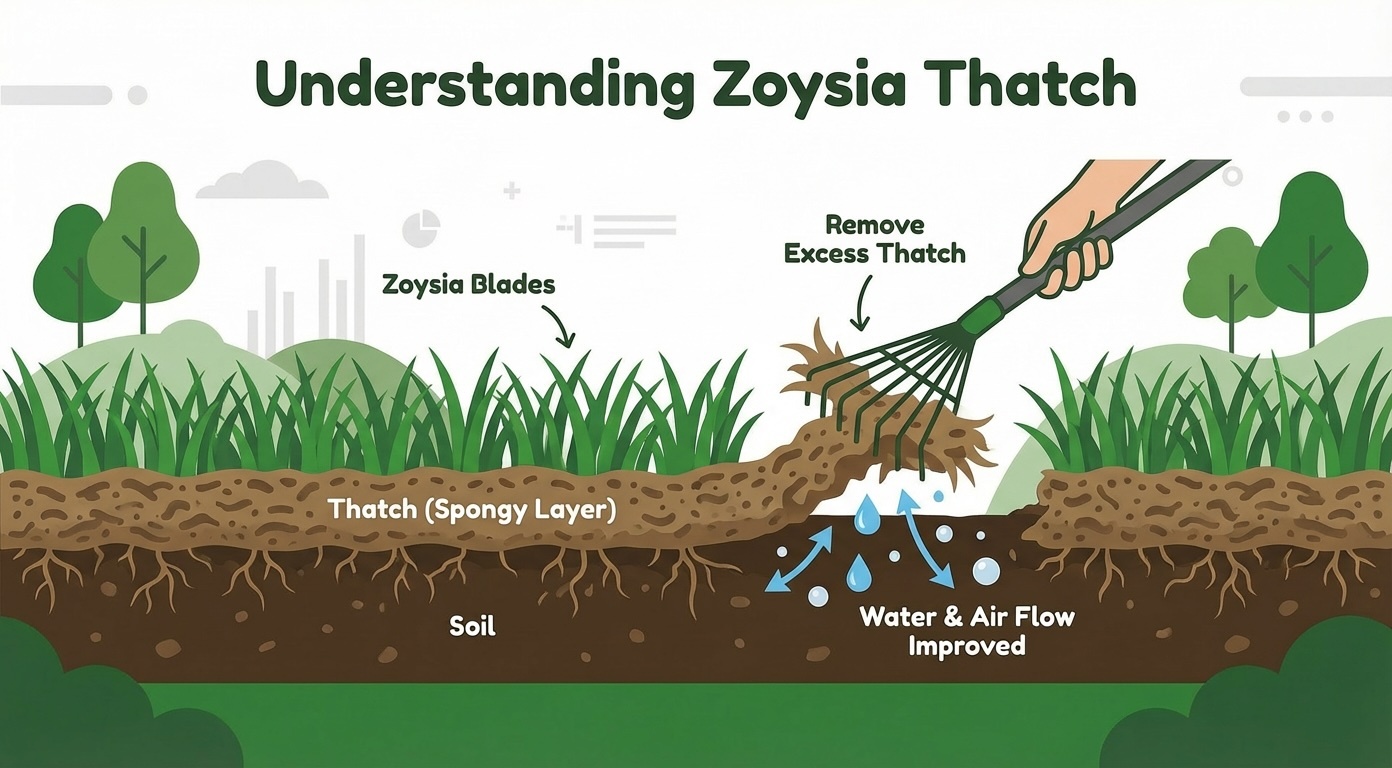
Because Zoysia grows so densely, it can build up a thick layer of thatch—dead grass stems and roots—at the soil surface. This layer prevents water and nutrients from reaching the roots and can harbor pests and diseases. You’ll need to dethatch your Zoysia lawn every 1-2 years using a power rake or vertical mower. This is aggressive work, and your lawn will look terrible for a few weeks afterward, but it’s essential for long-term health.
Watering and Fertilizing
Sips Water, Doesn’t Gulp It
Zoysia is a water-efficient grass. It needs about 1 to 1.25 inches of water per week, but it prefers a single deep soaking over frequent, shallow waterings. This encourages the roots to grow deep into the soil, making the plant even more drought-tolerant [2].
The Biggest Fertilizer Mistake
Do not over-fertilize Zoysia with nitrogen. It’s tempting to push for a dark green color, but too much nitrogen will cause a massive thatch problem. Stick to a balanced, slow-release fertilizer and follow the “less is more” approach. A healthy Zoysia lawn needs only 1-3 pounds of nitrogen per 1,000 square feet per year [2].
Common Problems: Pests & Diseases
Large Patch (Zoysia Patch)
This is the #1 enemy of Zoysia lawns, especially in the spring and fall. Caused by the fungus Rhizoctonia solani, it appears as large, circular patches of brown or yellow grass. It’s triggered by cool, wet weather. Preventative fungicide applications are the best defense.
Billbugs and Grubs
These insects feed on the roots and stems of the grass. If you see signs of damage, you may need to apply an insecticide. The good news is that some newer varieties, like Innovation®, have improved resistance to pests like the bluegrass billbug.
Thatch Buildup
As we’ve discussed, this is not a pest or disease, but a maintenance issue. If your lawn feels spongy and isn’t absorbing water, it’s time to dethatch.
Zoysia vs. Other Grasses
- Zoysia vs. Bermuda: This is the classic trade-off. Zoysia offers lower maintenance (less mowing, less fertilizer) and better shade tolerance. Bermuda offers faster recovery from damage and a lower upfront cost. If you value your time, choose Zoysia. If you value speed and a lower budget, choose Bermuda.
- Zoysia vs. St. Augustine: This is a battle of textures and tolerances. Zoysia has a finer texture and much better traffic tolerance. St. Augustine has a coarser texture and superior shade tolerance. If you have deep shade, St. Augustine is the winner. If you have kids and pets, Zoysia is the better choice.
- Zoysia vs. Fescue: In the Transition Zone, this is a common decision. Fescue is a cool-season grass that stays green in the winter but struggles in the summer heat. Zoysia is a warm-season grass that thrives in the heat but goes dormant in the winter. For a durable, low-maintenance summer lawn, Zoysia is the clear winner.
Cost of Zoysia Sod
Zoysia is a premium product, and you should expect to pay a premium price. Based on current market rates, Zoysia sod costs 30-50% more than Bermuda or St. Augustine sod. Prices can range from $350 to $600 per pallet, depending on the variety (Zeon is often the most expensive) and your location.
Think of it as an investment. You’re paying more upfront for a lawn that will require less time, less water, and fewer chemicals over its lifetime.
Is Zoysia Grass Your Answer?
Is Zoysia grass worth the price tag? If you’re a homeowner who sees your lawn as more than just a patch of green, the answer is a resounding yes. It’s for the perfectionist, the barefoot walker, the person who appreciates the quiet satisfaction of a job well done.
It’s not a grass for the impatient. It’s a long-term investment in quality, beauty, and time. It asks for more from you on day one, but it asks for less from you every week after that.
Ready to transform your lawn? Get a personalized quote from USA Sod and connect with our network of trusted local installers.
Your call.
Key Takeaways
- Zoysia grass is known as the ‘barefoot grass’ due to its incredibly dense, carpet-like growth habit that naturally chokes out weeds.
- Unlike Bermuda grass, Zoysia grows slowly, which means less mowing but also a longer recovery time if the lawn is damaged.
- Zeon Zoysia is considered the ‘Gold Standard’ of fine-bladed Zoysia, offering superior shade tolerance and a soft feel without the high maintenance of Emerald.
- Zoysia grass is prone to ‘Large Patch’ fungus in the spring and fall, so preventative fungicide applications are recommended in the transition zone.
- Never over-fertilize Zoysia grass with nitrogen; this leads to excessive thatch buildup, which can choke the lawn and harbor pests.
- While Zoysia is shade-tolerant, it still requires at least 4-5 hours of direct sunlight. It is better than Bermuda but less shade-tolerant than St. Augustine.
Frequently Asked Questions
What does Zoysia grass look like?
Zoysia grass has a very dense, carpet-like appearance with fine to medium-textured blades that stand upright. You can identify it by the short, fuzzy hairs on the top of the leaf blades, which distinguish it from the smooth blades of Bermuda grass [1].
Is Zoysia grass better than Bermuda?
It depends on your priorities. Zoysia requires less mowing and has better shade tolerance, but it is more expensive and recovers slowly from damage. Bermuda is cheaper and self-repairs quickly, but it needs frequent mowing and more sunlight.
Does Zoysia grass stay green in winter?
No, Zoysia is a warm-season grass that goes dormant and turns a golden-brown color after the first hard frost. It will stay dormant until the soil warms up again in the spring.
Can I plant Zoysia grass seed?
While you can find some varieties like Zenith from seed, most premium Zoysia cultivars (like Zeon, Emerald, and Palisades) are sterile hybrids that must be planted as sod or plugs. For the best results and fastest establishment, sod is always the recommended method.
How fast does Zoysia grass spread?
Zoysia spreads very slowly compared to other grasses. It uses both above-ground stolons and underground rhizomes, but its lateral growth is measured in inches per year, not feet. This makes it less invasive but also very slow to fill in bare spots.
Is Zoysia grass good for dogs?
Yes, Zoysia is one of the most durable and traffic-tolerant residential grasses, making it a great choice for lawns with dogs. However, because it grows so slowly, it will take a long time to recover from digging or urine spots.
How much does a pallet of Zoysia sod cost?
As a premium product, Zoysia sod typically costs between $350 and $600 per pallet. The price varies by variety (e.g., Zeon is usually the most expensive) and your geographic location.
What is the best fertilizer for Zoysia grass?
The best fertilizer for Zoysia is a balanced, slow-release formula with a low nitrogen content. Too much nitrogen is the #1 cause of thatch buildup. Aim for 1-3 pounds of actual nitrogen per 1,000 sq. ft. per year [2].
Does Zoysia grass grow in shade?
Yes, Zoysia has good shade tolerance, much better than Bermuda grass. It generally needs at least 4-5 hours of direct sunlight per day to thrive. However, it is not as shade-tolerant as St. Augustine grass.
When should I dethatch Zoysia grass?
You should dethatch Zoysia in the late spring or early summer when the grass is actively growing. This allows it to recover quickly from the aggressive dethatching process. Never dethatch a dormant or stressed Zoysia lawn.
References
[1] Miller, G. (2026). Zoysiagrass. NC State Extension TurfFiles. https://www.turffiles.ncsu.edu/grasses/zoysiagrass/
[2] Reynolds, C. (2026). Zoysiagrass. Texas A&M AggieTurf. https://aggieturf.tamu.edu/texas-turfgrasses/zoysiagrass/